 Schedule a Tour
Wood Glen Court
Rehabilitation vs Nursing Home in Spring, TX: Understanding the Right Path After a Hospital Stay
In Spring, TX, families often walk through important decisions together. When a loved one has been hospitalized due to surgery, illness, or a fall, the focus quickly shifts from treatment to recovery. As discharge planning begins, conversations about next steps can feel overwhelming. This is especially true when unfamiliar terms like rehabilitation and nursing home are used interchangeably.
Many families find themselves unsure about what each option truly means. It is common to wonder whether ongoing medical care is necessary or whether a less clinical, more residential setting would be appropriate once recovery is underway. Choosing the right level of care can feel weighty, particularly when you want to balance safety, dignity, and independence.
This article is designed to provide clarity and reassurance. We will explain:
- What post-acute rehabilitation is intended to accomplish
- What nursing homes, also called skilled nursing facilities, provide
- How these two options differ in purpose and duration
- What typically happens when rehabilitation ends
- When assisted living may offer the right balance of support
How Do Rehabilitation and Nursing Homes Differ?
In simple terms, rehabilitation is short-term care focused on helping someone regain strength and function after a hospital stay. A nursing home provides long-term, 24-hour medical supervision for individuals with complex or ongoing health needs. The key distinction lies in whether the goal is recovery or continuous medical management.
Families in Spring and throughout Harris County often encounter both options during hospital discharge planning. The most appropriate setting depends on whether recovery goals have been met, how stable medical conditions are, and how long care is expected to be needed. Understanding these differences helps families make thoughtful decisions and avoid unnecessary transitions.
What Is Post-Acute Rehabilitation Intended to Accomplish?
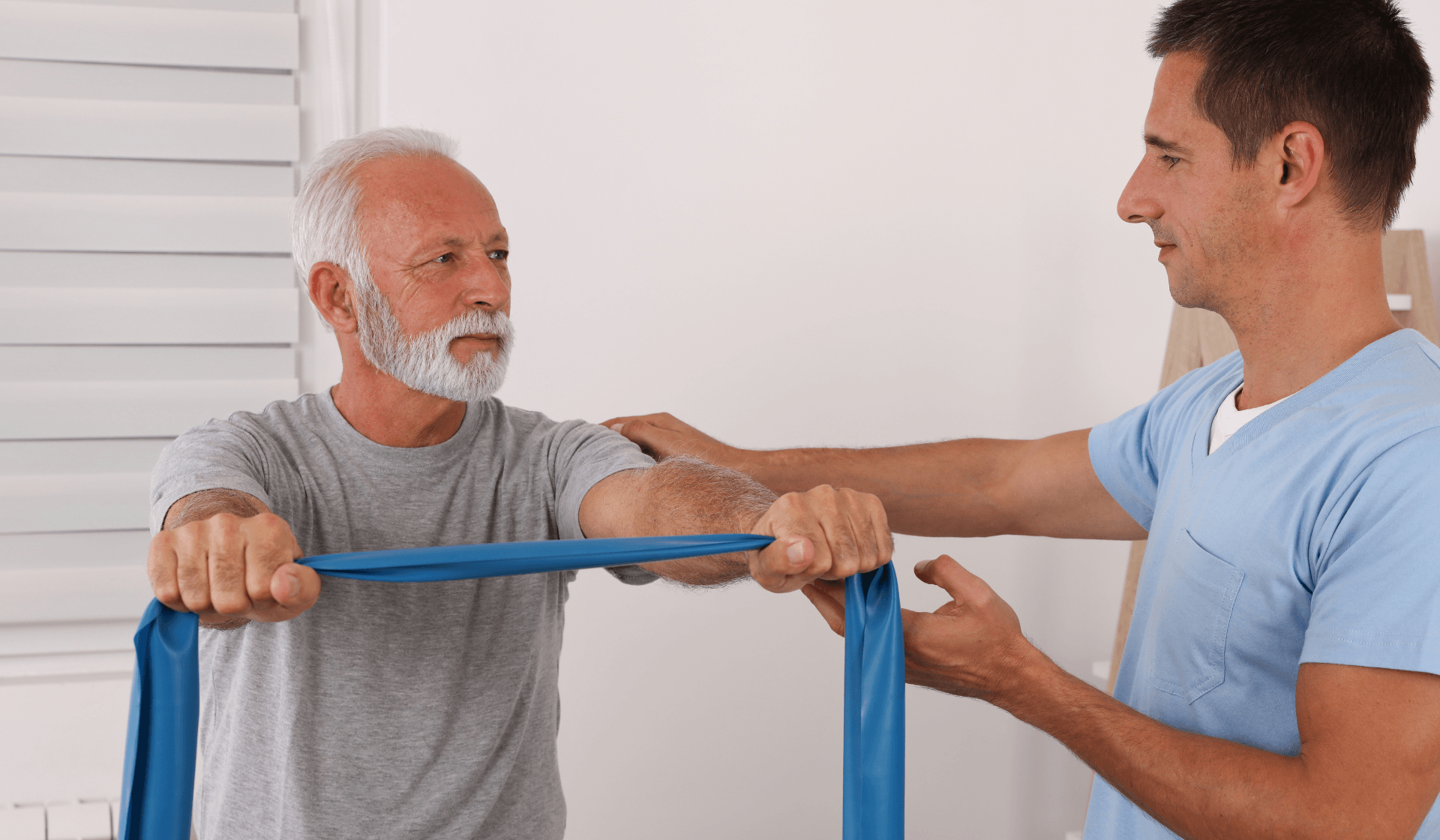
Post-acute rehabilitation provides temporary therapy and nursing support to help individuals regain mobility, strength, and independence following hospitalization.
Rehabilitation is structured and goal-driven. Therapy sessions, such as physical or occupational therapy, are typically scheduled multiple times each week. Progress is monitored closely, and adjustments are made as improvement occurs. The primary objective is to help the individual recover enough to safely return home or transition to a lower level of care.
Rehabilitation is not designed for long-term residence. It serves as a focused period of recovery with clear milestones and discharge goals.
When Is Rehabilitation Commonly Recommended?
Rehabilitation is often recommended for individuals who need support such as:
- Recovery after surgery or extended hospitalization
- Regaining mobility following a fall or injury
- Rebuilding strength after illness
- Short-term therapy when improvement is expected
The emphasis remains on functional progress and measurable recovery. Once therapy goals are achieved, families begin discussing what type of support will be needed moving forward.
What Is a Nursing Home (Skilled Nursing Facility)?
A nursing home, also known as a skilled nursing facility, provides continuous licensed nursing care and medical supervision for individuals who cannot safely live independently due to ongoing or advanced health conditions.
This level of care is appropriate when medical needs are complex, chronic, or require frequent intervention. Care centers on health management and medical stability. In many cases, the length of stay may be extended or permanent, depending on the individual’s condition.
In the Spring, TX area, nursing homes are typically recommended when recovery is no longer the primary objective and continuous clinical oversight is necessary.
Who Typically Needs Long-Term Skilled Nursing Care?
Long-term skilled nursing care is generally appropriate for:
- Individuals with advanced medical conditions
- Those who require frequent nursing procedures
- People unable to safely complete daily activities without medical supervision
- Individuals who need constant monitoring to maintain stability
This level of care focuses heavily on medical management rather than daily lifestyle support.
Rehabilitation vs Nursing Home Care: A Simple Comparison
When considering these options, it may help to compare them directly with the following visual aid:.
| Category | Rehabilitation (Post-Acute Care) | Nursing Home (Skilled Nursing) |
| Primary Purpose | Short-term recovery | Long-term medical care |
| Length of Stay | Temporary | Often long-term |
| Medical Intensity | Moderate, recovery-focused | High, ongoing |
| Therapy Services | Frequent and goal-driven | Limited or maintenance |
| Living Environment | Clinical, transitional | Medical-focused |
| Discharge Goal | Return home or lower care | Continued medical support |
| Best Fit For | Patients expected to improve | Patients with chronic needs |
Many individuals complete rehabilitation once therapy goals are met. At that point, families must determine whether returning home is safe or whether ongoing support is necessary.
What Happens After Rehabilitation Ends?
When rehabilitation concludes, families reassess their loved one’s needs carefully. The central questions often involve whether daily tasks can be managed safely at home, whether skilled nursing care remains necessary, or whether assisted living would provide appropriate support.
Assisted living can serve as a natural step once someone is medically stable but still benefits from help with daily routines. It offers structured support without the intensity of hospital-level oversight.
How Assisted Living Supports the Next Stage of Recovery in Spring
Wood Glen Court provides assisted living only, and while it does not offer rehabilitation or skilled nursing services, it can be an ideal next step after medical recovery is complete.
Assisted living supports individuals who are medically stable but may need help with daily activities such as dressing, bathing, and medication reminders. That consistent assistance can reduce fall risk and promote safe routines.
Equally important is the environment. After time spent in clinical settings, many individuals appreciate a calm, residential atmosphere. Wood Glen Court offers a welcoming community with bright common areas, peaceful enclosed courtyards, and multiple covered outdoor spaces that can be enjoyed year-round. Its location in Spring provides both a quiet country setting and convenient access to local healthcare and shopping.
Personalized care plans ensure that each resident receives the right kind of care while maintaining independence. Life Enrichment activities and programs encourage social connection and meaningful engagement. Chef-inspired, restaurant-style dining brings residents together in a warm and inviting setting.
For families, there is reassurance in knowing their loved one is supported in a community that values dignity, comfort, and stability.
To learn more about assisted living in Spring, TX, visit https://www.woodglencourt.com/.
How Do Families in Spring, TX Know When Assisted Living Is the Right Next Step?
Several factors may indicate that assisted living is appropriate:
- Rehabilitation goals have been completed
- Daily activities remain difficult without support
- Safety concerns persist at home
- Strength and stamina have declined
- There is a desire for support in a residential setting rather than a clinical one
Choosing the right level of care involves balancing independence with safety and ensuring support is aligned with current needs.
Planning for a Healthy Future With Senior Care in Spring, TX
Rehabilitation is designed to support recovery. Nursing homes provide continuous medical care for ongoing needs. Assisted living supports daily life once recovery stabilizes.
Wood Glen Court offers a welcoming, neighborhood-style community where residents can regain routine and confidence after hospitalization. With relationship-based support, thoughtfully planned services, and comfortable surroundings, families find peace of mind knowing their loved one has the right level of assistance.
To explore assisted living in Spring, TX or schedule a tour, families may call Wood Glen Court at (713) 804-7031.
FAQ
Can assisted living help reduce the risk of another hospital stay?
Consistent daily support, medication reminders, nutritious meals, and structured routines can help reduce avoidable setbacks. Having team members available around the clock adds an extra layer of reassurance.
Does someone need to be fully recovered before moving into assisted living?
No. Assisted living is appropriate for individuals who are medically stable but may still be rebuilding strength. Ongoing assistance can help maintain progress.
How soon after rehabilitation can someone transition into assisted living?
Once a physician confirms medical stability and rehabilitation goals have been met, the transition can often occur promptly with proper planning and coordination.
Helpful Links for Senior Living
Related Reading
- Memory Care vs Assisted Living: Signs Your Loved One May Need More Care
- How Much Does Assisted Living Cost at Wood Glen Court in Spring, TX?
- Benefits of Volunteer and Purpose-Driven Activities for Seniors: Giving Back and Gaining Fulfillment
Wood Glen Court is proudly part of the Aspenwood Senior Living family. Our assisted living community in Spring, TX is designed to support independence, comfort, and meaningful connection. With beautifully appointed residences, engaging activities, and personalized services, we reflect Aspenwood’s commitment to helping every resident Live Life Well®. We are proud that the following communities are also part of The Aspenwood Company’s senior living family: Village on the Park Stonebridge Ranch, Village on the Park Plano, The Doliver of Tanglewood, Village of the Heights, Village on the Park Denton, Village of Meyerland, Village on the Park Bentonville, Wood Glen Court, Spring Creek Village, and Village on the Park Rogers. No matter which community you choose, our shared goal is to help each resident feel safe, valued, and at home.